Products (0)
Nie znaleziono produktów dla ""
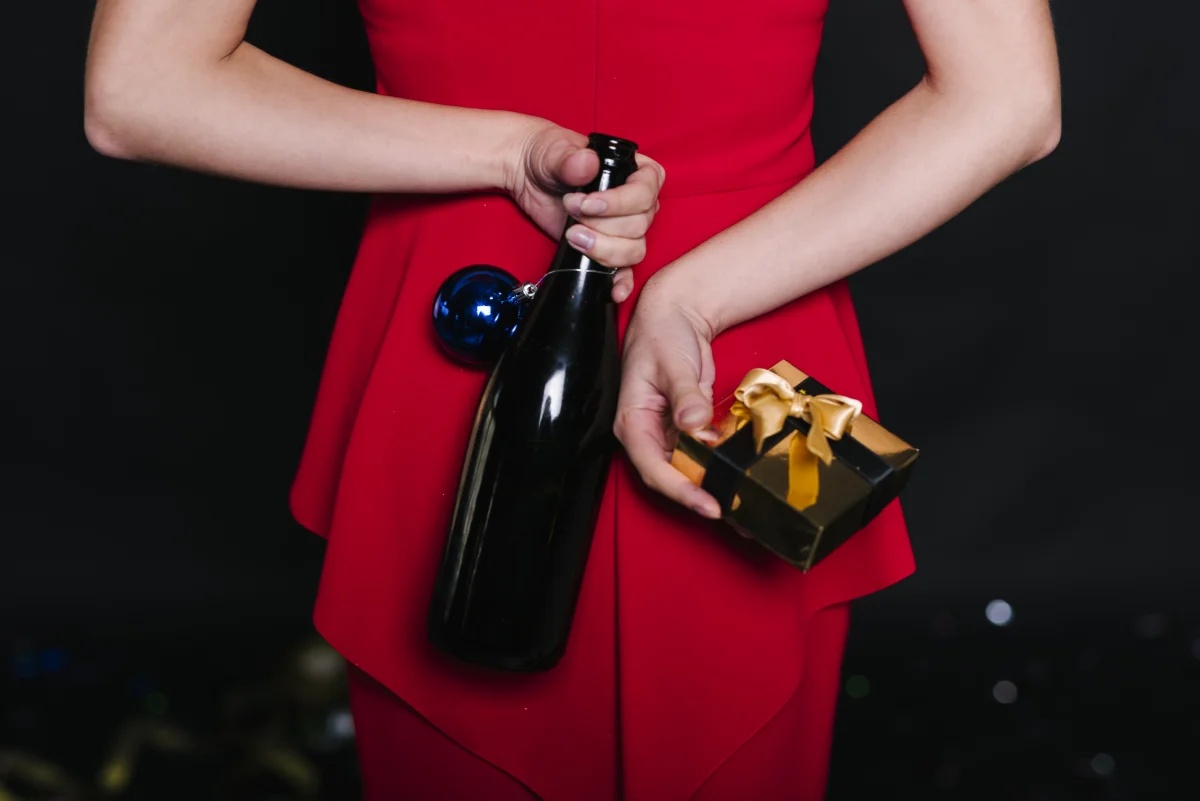
The doorbell, a smile, "this is for you" – and the bottle passes from hand to hand. The host glances at the label and says thank you. And then what? Open it tonight with dinner? Put it away for a special occasion? Or maybe the guest was hoping you'd drink it together, but didn't know how to say so? You know this from both sides of the door, don't you?
This puzzle can be solved before you even ring the bell. All it takes is choosing the right bottle and adding one sentence as you hand it over – we'll come to that second part towards the end of this piece. And the choice itself doesn't require a sommelier's diploma, just answers to a few simple questions.
Which wine makes a good gift? One that suits both the recipient and the occasion. First decide whether the wine is meant for the table that very evening or for a home collection. For a shared dinner, a versatile red works well, e.g. Speri Ripasso Valpolicella. For a celebration – Champagne, e.g. Cattier Brut Icône. For a wine lover who likes to lay bottles down for later – a wine with ageing potential, such as Caparzo Brunello di Montalcino Riserva.
Before you pick a bottle, answer four questions: is the wine for today or for later, what does the recipient like, what's the occasion, and does the bottle have a story behind it.
1. For the table or for the cellar? This is the most important question. A wine for a shared dinner should be ready to drink straight away and should match whatever the host is serving. A wine for a collection can wait a few years.
2. What does the recipient like? Red or white, dry or with a touch of sweetness, light or full-bodied? If you don't know, think back to what was on the table at your last dinner together. I'll admit this is my favourite method – it works better than guessing.
3. What's the occasion? Dinner at friends' place, Christmas, a birthday, a thank-you. For a celebration, bubbles are best; for the family festive table, a larger bottle; and as a thank-you for someone important – a wine from a good appellation that can be laid down.
4. Does the wine have a story? A family estate run for generations, grapes from a single plot, a wine from a region the recipient visited on holiday. One sentence about where the bottle comes from means the gift is no longer anonymous.
And if you're still unsure, drop by an M&P store. Just a few words about the recipient and our advisors will help you pick the right bottle.
For a shared dinner, choose a wine that's ready to drink straight away, dry and versatile – one that goes with many dishes and appeals to most guests.
The Speri family has been making wine in Valpolicella since the first half of the 19th century, exclusively from grapes grown in their own vineyards – around 60 hectares in the finest parts of the Valpolicella Classico appellation. The Ripasso is made using the traditional local "ripassare" method, i.e. a second fermentation, from Corvina (70%), Rondinella (20%) and Molinara. It matures for 12 months in large Slavonian oak casks and then rests for six months in bottle. In the glass it offers red fruit, notes of pepper and cocoa, and soft, rounded tannins.
This is my suggestion for the "we're going to dinner and I have no idea what's on the plate" situation.
In 1910, fourteen-year-old Josip Babich emigrated from Dalmatia to New Zealand. Two years later he planted his first vines, and in 1916 he sold his first wine. Today the winery is run by the third generation of the family, and Babich is one of the largest family-owned wineries in New Zealand. That's a ready-made story for the evening. And a white wine is a good choice for those who prefer lighter flavours or who know that fish and seafood will be on the table.
Fin del Mundo means "the end of the world" in Spanish, and the estate lies in Argentine Patagonia. This is a single-vineyard Pinot Noir, aged for 18 months in French oak barrels. The bouquet offers red berries, strawberries and raspberries, while the palate balances acidity with soft tannins. According to the producer it can be kept for 5–6 years, so the recipient doesn't have to open it right away.
For a festive gift, bubbles work best, or a larger bottle that makes an impression on the Christmas table.
Genuine Champagne from the Champagne appellation, blended from Chardonnay (40%), Pinot Noir (33%) and Pinot Meunier (27%). The bouquet brings pastry, pear, black cherry and blackberry, along with dried apricot and hazelnut. Excellent as an aperitif and with light dishes. The gift-box version needs no additional wrapping.
If you're torn between Champagne, Prosecco and Cava, take a look at our guide to the differences between sparkling wines.
Sant'Urbano comes from the hillside Monte Sant'Urbano vineyard, one of the Speri family's crus, or distinguished plots, in Valpolicella Classico. The grapes are hand-harvested and lightly dried to gain concentration, and the finished wine matures for 24 months in Slavonian oak casks and a further 12 in bottle. In the glass, pepper and ripe forest fruit. The magnum version, i.e. 1.5 litres, makes an impression the moment you hand it over, and on the festive table it immediately draws the guests' attention.
Anyone who loves wine and keeps a few bottles at home "for later" will appreciate a wine from a renowned appellation that can still develop with age.
Caparzo is one of the best-known estates in Montalcino. The property covers 200 hectares, 90 of which are under vine. Caparzo is regarded as one of the first estates to have learned how to harness the influence of terroir on a wine's character. The Riserva is the version of Brunello that matures longer before reaching the market – a gift for someone who knows what that means and will therefore appreciate the bottle. We describe how Brunello is made in our report from a visit to eight Montalcino estates.
If the recipient is only just starting to put bottles together, point them towards our guide A home wine collection – how to start, what to buy and how to store it.
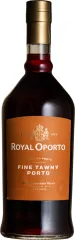
A classic tawny from Real Companhia Velha in the Douro Valley, matured for around 4 years in 550-litre oak casks. The nose offers nuts, vanilla and dried fruit; the palate brings fruit, delicate tannin and a hint of caramel. It's a good gift for a dessert lover and for anyone who likes to round off a festive dinner with something sweet. You can read more about this style in the article Fortified wines – what they are and how to choose them.
Wine | Style | When to give it | Who for |
|---|---|---|---|
dry red, Italy | for dinner | a versatile choice | |
dry white, New Zealand | for dinner | a lover of lighter wines | |
dry red, Argentina | for dinner or to lay down | the curious-minded | |
Champagne, France | for Christmas and celebrations | anyone who loves bubbles | |
dry red, magnum | for the family table | festive hosts | |
dry red, Tuscany | for the collection | a wine lover | |
fortified wine, sweet | with dessert | someone with a sweet tooth |
The way you hand it over can matter just as much as the choice of bottle. A few simple rules will also solve the puzzle from the beginning of this article.
Say whether the wine is "for today" or "for later". One sentence: "this is for dinner" or "this is for a quiet evening for two" – and the host already knows what to do with the bottle.
Bring whites and sparkling wines chilled, if they're meant for the table that same evening.
Think about the packaging. A gift box, a tube, a decorative bag or a wooden case. If you'd like to add something to the bottle, take a look at our article on festive gift sets – it includes a cheat sheet on what goes with which wine.
Add a card with the story. Two sentences about where the wine comes from and why you chose it. For example: "The Speri family has been making wine in Valpolicella since the 19th century, using only their own vineyards."
With a wine for later, add a tip on how to store it: in a dark, cool place, away from radiators, and cork-sealed bottles are best kept lying down.
And one more thing: if the recipient doesn't drink alcohol, you don't have to give up on wine. Our range also includes alcohol-free wines – white, red, rosé and sparkling.
Let's go back to the front door for a moment. The doorbell, a smile, "this is for you – for dinner". This time nobody's in any doubt about what to do with the bottle. And if you add two sentences on the card about the estate it comes from, the gift will stay in the memory far longer than a single evening.
Not necessarily. By custom, wine brought to someone's home is a gift for the host, who decides when to open it. If you'd like the bottle to go on the table that same evening, simply say so as you hand it over.
A dry red goes with most winter and festive dishes, which makes it a safe choice. Choose a white for someone who prefers lighter flavours, or when you know fish will be on the table. For celebrations, sparkling wines work best.
A wine that's ready to drink straight away, with a simple story to tell. Bubbles are also a good choice – Champagne or Prosecco bring pleasure regardless of experience.
Yes, if the recipient doesn't drink alcohol or is driving. Alcohol-free wines come in white, red, rosé and sparkling versions, so you can match them to someone's taste just as you would with traditional wines.
In a dark, cool place with a stable temperature, away from radiators and sunlight. Cork-sealed bottles are best kept lying down so the cork doesn't dry out.
By clicking "Accept", you agree to the storage of cookies on your device to enhance site navigation, analyze site usage, and assist in our marketing efforts. Learn more