Products (0)
Nie znaleziono produktów dla ""

Browse our events and add tickets to your cart.
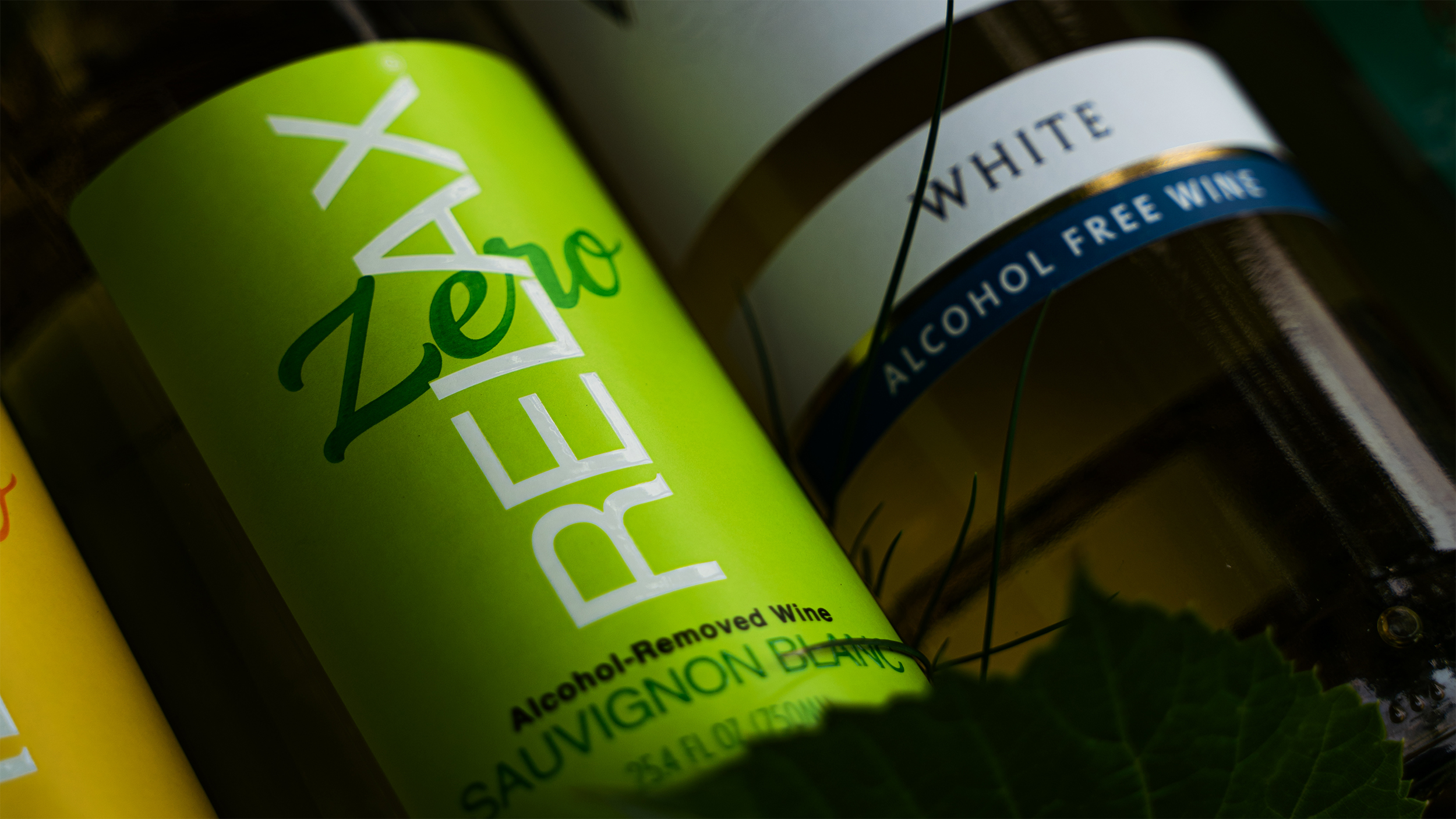
On a daily basis in my work, I get many questions about the type of wine, flavor notes, country of origin, and decent price. But do questions come up about non-alcoholic or partially non-alcoholic wines? I'll admit honestly that just as often as questions about what would be best for a gift! The non-alcoholic wine market is expanding and building on solid foundations; red, white, rosé, sparkling, sweet, dry, and semi-dry wines are being created. Skeptics ask if it's worth drinking, if it's worthwhile, and even claim that it's probably only for pregnant women or people who don't tolerate alcohol or are driving. First of all, I think times have changed, and with them – people. Wines with lower alcohol content are conquering the global market, showing us that you can enjoy wine without fearing the side effects the next day. This leads to the conclusion that they're worth trying and getting to know, because just like non-alcoholic beers, they have much to offer. Are zero wines a temporary trend? Just a novelty that will soon disappear? Let's start from the beginning – let's check how they were created, for whom, and whether there's a chance of abandoning alcoholic wines in favor of non-alcoholic ones. The truth is that there isn't one creator of non-alcoholic wines. Each first wine initially emerged in a vineyard with history and tradition, as an innovation. It's also undeniable that vineyards specializing only in this type of wine could have emerged. However, the vines were born on the same land as alcoholic wines, with the same care and love. Here I'll present one of the first visionaries in this field. It's the Torres company, which was founded in Vilafranca del Penedès in 1870. Through five generations they've maintained the identity of a family winery, and their products have become highly valued worldwide. In 2000, they introduced the first non-alcoholic wines to the market under the Natureo brand. They became some of the most popular products in this category and helped increase awareness about this type of beverage. Another important moment in the history of non-alcoholic wines was their introduction by other large wineries, such as Freixenet, Lindemans, and Eisberg. Thanks to their commitment to producing high-quality zero-proof beverages, this market segment gained significance. Production and quality – how is it done? This dedication to development, meeting standards, and vision of a conscious customer meant that non-alcoholic wines from our neighbors also appeared in Poland. Let's move to southwestern Germany, to the Mosel and Palatinate regions and two producers: Weinbiet and Schmitt Söhne. It's worth knowing that each of them produces their non-alcoholic wines from high-quality raw materials and with enormous care. Key in this context are vineyard cultivation methods, as well as precisely developed production techniques, because these translate into maintaining a unique flavor bouquet – more delicate of course than in traditional wines, but unique. Production looks exactly the same as with wines containing alcohol. Only in the next stage is alcohol removed from the beverage using special methods: Vacuum distillation (removing alcohol at low temperature and low pressure). Membrane filtration. These processes allow the wine's flavor to be preserved while removing the alcohol percentage. The alcohol content in non-alcoholic wine is usually below 0.5% vol. They're characterized by a somewhat less deep flavor, because alcohol adds structure and body to wine. So who were they created for? Primarily for people who want to avoid alcohol (for example, for health or personal reasons) but still wish to enjoy the taste of wine. What about low-alcohol wines? Low-alcohol wines are created in two ways. One of them is controlled fermentation, during which the production process is stopped earlier. Due to the alcohol removal process, they may have slightly different flavor notes than their stronger counterparts. They mostly retain the characteristics of traditional wine because they don't go through the dealcoholization process, but they're less intense in taste and aroma. These are wines aimed at people who want to consume a lighter beverage but still having the taste of wine with a minimal amount of alcohol. New lifestyle We're changing, and with us our needs and preferences. Non-alcoholic and low-alcohol wines began gaining popularity in the 21st century, mainly in response to increasing interest in a healthier lifestyle and a growing number of people avoiding alcohol for various reasons. Although drinking alcohol has been an integral part of social situations for centuries, contemporary society is becoming increasingly open to people choosing abstinence or limiting consumption. Thanks to this, non-alcoholic wines are gaining acceptance in various social contexts. Making a toast without alcohol not only doesn't surprise anyone but finds more and more supporters among people who want to consciously experience moments and have a good time. Recommended labels – what's worth pouring into your glass? Finally, I'll recommend two wines. One sparkling – Weinbiet Free Dolin Sparkling, and the second – a semi-dry white Schmitt Söhne Chardonnay Relax Zero. Each of them will delight and bring pleasure. These are wonderful proposals that will open the door for you to discover the wonderful world that wine is. Weinbiet Free Dolin Sparkling It's like a non-alcoholic, sparkling refreshment. It offers a beautiful, aromatic bouquet of apples, pears, and quince. Golden color with a long shimmer, and in taste juicy orchard fruits, including a note of green apple. I can compare this wine to Claude Monet's painting Terrace at Sainte-Adresse – of course this is just my opinion, but after closing your eyes you can transport yourself to a French terrace on a sunny day and feel the sea breeze on your face. This wine pairs with light cuisine, such as salad, fish, or desserts: raspberry macarons or lemon tart. Schmitt Söhne Chardonnay Relax Zero (semi-dry) This is an extraordinary wine combining freshness and fruity character with notes typical of Chardonnay. In the bouquet, aromas of green apple and pear with an accent of tropical fruits. In taste, notes of crisp apple, fresh mango, citrus, and vanilla. The lovely color with a golden tint will pair perfectly with the magical atmosphere of gatherings with friends. It's suitable not only for drinking solo but also at the beginning of a meal, with appetizers and desserts. As for low-alcohol wines, an excellent choice would be: Fontanafredda Moscato d'Asti This is an Italian wine from Piedmont, specifically from Langhe and Roero. It's produced in a vineyard born from the love of an Italian king for a girl named Rosa. Moscato d'Asti is a sweet wine with low alcohol content (5%). Freshly picked grapes are pressed, and the juice is transported to storage tanks, where it rests for several hours at a temperature close to zero, then is filtered. The must is stored at low temperature until its preparation begins. This is a wine that can be consumed very young, ready to drink even a few weeks after harvest. Its shade is a straw-yellow color, in the aroma we'll find intensely musky, orange, sage, and honey notes. In taste, there's a pleasant sweetness of grapes. A wine you can fall in love with. On cold evenings it transports us to sunny Italy – allow yourself a moment of delight with this beverage.
By clicking "Accept", you agree to the storage of cookies on your device to enhance site navigation, analyze site usage, and assist in our marketing efforts. Learn more