Chopin Dwupak (Twin Pack) is a set of two 200 ml bottles combining two varieties of Chopin's Polish single-ingredient vodka: the rye version and the potato version, both bottled at 40% ABV. The brand's philosophy rests on using a single raw material in each vodka, so the set makes it possible to place side by side two distinct flavour profiles originating from the same terroir of eastern Poland.
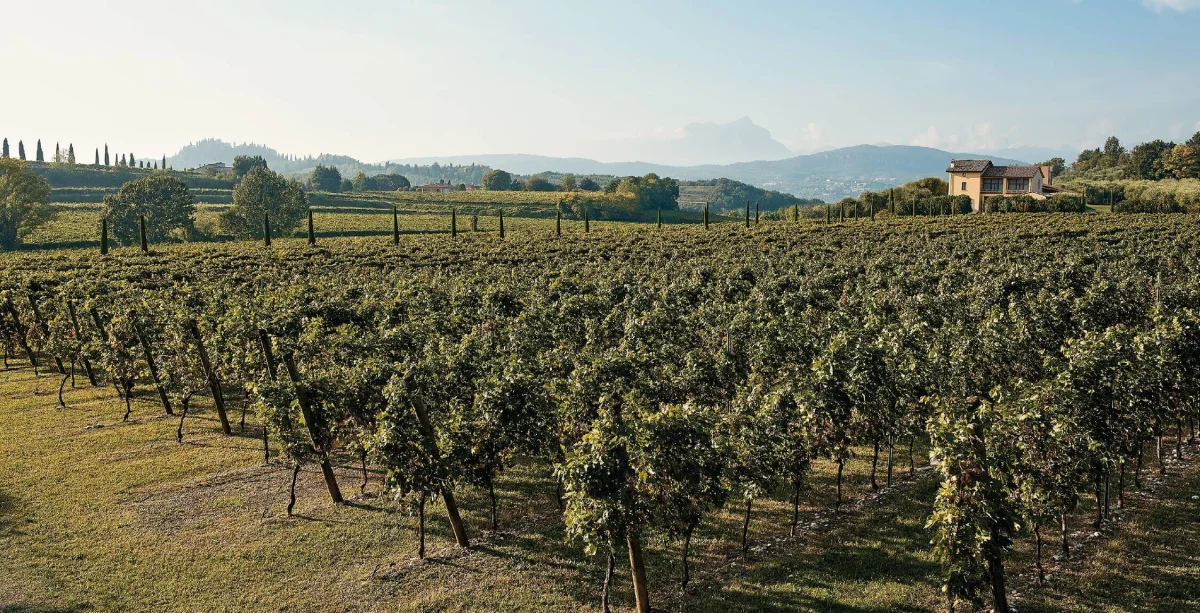
Production is handled by Podlaska Wytwórnia Wódek Polmos in Siedlce. The vodka is distilled in an original copper still built in 1896, one of the oldest surviving distillation apparatuses in Poland. All the crops come from within a radius of about 20 miles of the distillery near Krzesk, in the agricultural heartland of eastern Poland. The water comes from an artesian spring drawn from the plant's own well. Both vodkas are quadruple distilled.
The potato version is made from potatoes with a high starch content. The potatoes are washed clean of any remaining soil, then steam-cooked and turned into a mash ready for fermentation; a proprietary yeast strain is added and fermentation lasts two weeks. In the potato profile, the producer and critics point to a subtle aroma of green apple and vanilla, leading to a creamy, earthy palate with a full structure and a long, clean finish.
The rye version is built around Podlasie rye. Chopin Rye is made from high-quality golden rye grown in the Podlasie region, is quadruple distilled, blended with artesian spring water and filtered five times before bottling. The producer describes it as a vodka composed to reveal the complex, spicy warmth of Polish rye – expressive, with a peppery vivacity. The tasting note mentions a gentle spiciness on the nose and a delicate aroma concealing a palate with bite: creamy at first, it opens up with vanilla and black pepper, with a long finish and a hint of citrus.
The set of two 200 ml formats allows both vodkas to be compared side by side – the earthy, rounded potato variety and the peppery, expressive rye. Both work well as the base for a classic martini, while the rye version also comes into its own in more assertive cocktails such as a Bloody Mary.