Products (0)
Nie znaleziono produktów dla ""

Browse our events and add tickets to your cart.
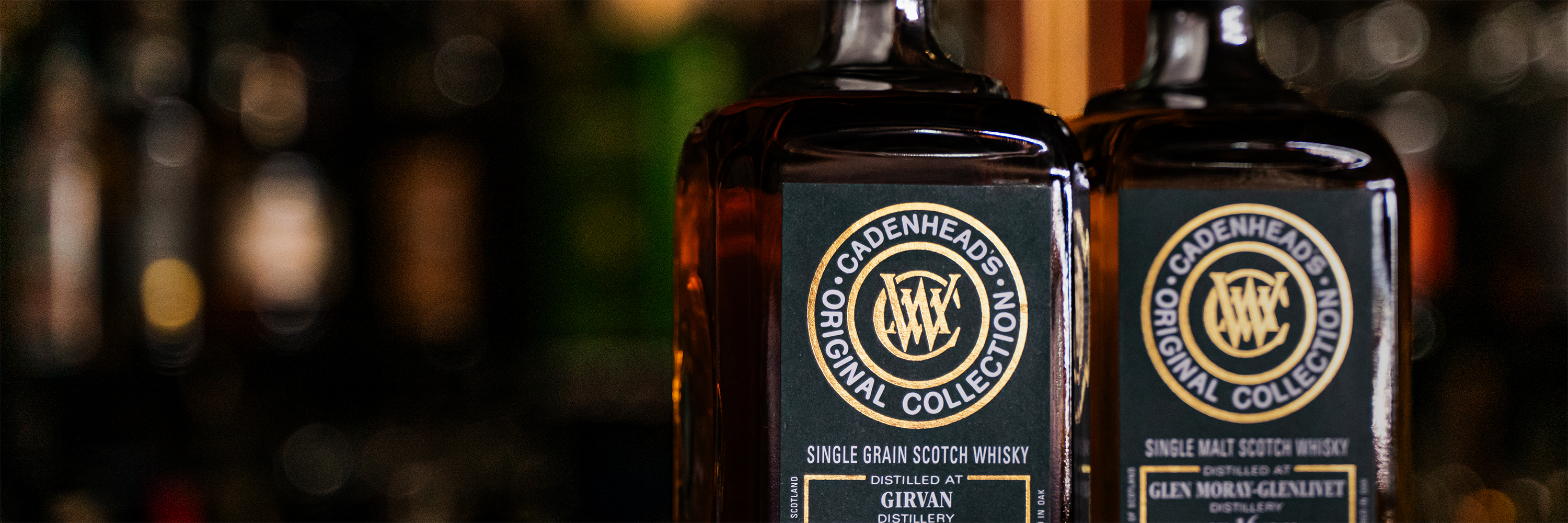
Before the amber liquid reached crystal decanters, and connoisseurs began debating the superiority of sherry casks over bourbon in GlenAllachie editions, whisky was something entirely different. It did not serve pleasure, but survival. It was called Aqua Vitae – the Water of Life. The faithful trusted it healed the body, and alchemists believed it was the essence of the world's soul. But who first came up with the idea to subject fermented grain to the distillation process? Monks in Stone Cells Paradoxically, we owe the technology necessary to create your favorite whisky to a culture that abstains from alcohol. It was Arab scholars in the early Middle Ages who perfected the alembic. However, their goal was not the extraction of ethanol for intoxication, but the search for al-iksir (elixir) and the creation of perfumes. They taught the world how to separate spirit from matter. This knowledge, traveling through Mauretania, reached the cool walls of European monasteries. It was the monks – the then guardians of science and medicine – who became the first distillers. In their hands, the apparatus used for producing fragrances changed its purpose. They began distilling grain mash, creating medicine for colic, smallpox, and even paralysis of the tongue. When today we reach for archaic in style, raw distillates, such as those from Cadenhead or Douglas Laing's offerings, we touch an echo of those times – when whisky was rough, strong, and meant to get you back on your feet. The Irish Trail in Chronicles In the age-old dispute "Scotland or Ireland," literary historians award a point to the Emerald Isle. The first documented mention of Aqua Vitae in the British Isles comes from the Irish chronicles Annals of Clonmacnoise from 1405. The entry is admittedly quite macabre – it describes the death of a certain clan chieftain who died from excess during Christmas festivities. However, it proves that the Irish were distilling (and consuming with cavalier flair) this beverage almost a century before the first official record in Scotland. A contemporary bridge to this tradition is the Writers' Tears brand. Its creators, composing a marriage of malt whiskey and pot still whiskey (Single Pot Still), not only reference Ireland's literary history, but also its unique style. This is whiskey that – like that drunk at old courts – is meant to be smooth, oily, and "dangerously" drinkable, which distinguishes it from the harsh spirits of the north. Scotland: Brother John Cor and the Birth of Industry The Scots enter the scene later, but they do so with official precision. The famous entry in the Exchequer Rolls from 1494 is the first evidence that whisky production had become a branch of the economy. King James IV commissioned a monk, Brother John Cor, to purchase malt for making Aqua Vitae. And these were not apothecary quantities – the monk produced about 1,500 bottles! It was in Scotland that whisky became inextricably intertwined with the land (terroir). This is best seen in the example of distilleries that have resisted modernity. Look at Springbank from Campbeltown. It's a living museum and guardian of the old order. In times when most processes are computer-controlled, they still malt barley on concrete floors (floor malting), turning it manually with shovels. This is what production looked like in John Cor's time. Meanwhile, on the Isle of Islay, at Kilchoman distillery, you can feel the spirit of old, illegal distilleries hidden among peat bogs. Their smoky, raw whisky recalls times when alcohol production was an act of rebellion by highlanders against the crown. Kilchoman, as a Farm Distillery, growing grain just outside the window, restores whisky's agricultural, primordial character. Evolution: From Moonshine to the Art of Maturation It's worth remembering that the whisky "invented" in the Middle Ages was transparent and drunk straight from the alembic. What we know today – the richness of vanilla flavors, dried fruits, and spices – is the result of a happy accident: the necessity of transporting and storing alcohol in oak barrels. Today this process has been elevated to an art form. Masters like Billy Walker of GlenAllachie prove that the "invention" of whisky is not finished. It continues. Through precise selection of wood from Pedro Ximénez or Oloroso sherry, Walker transforms raw distillate into liquid gold the color of mahogany. This is no longer the simple Aqua Vitae of monks – this is sophisticated flavor engineering. Moreover, this idea has crossed imperial borders. Today, outstanding Single Malts are produced in places that medieval alchemists never even dreamed of. Indian Paul John or Chinese Goalong are proof that although whisky's roots lie in Celtic soil, its branches embrace the entire world, drawing from local climates what is best. The Verdict? So who invented whisky? The Arabs provided the tools. The Irish – the knowledge and first records. The Scots – the law, industry, and diversity. And the rest of the world, including independent bottlers like Murray McDavid, continually redefines this invention. At M&P we don't settle historical disputes – we celebrate them. Regardless of whether your heart beats faster for Irish smoothness or Scottish peat, we invite you to our salons. Our advisors will be happy to take you on a journey through time – from 15th-century monasteries to modern distilleries of the 21st century.
By clicking "Accept", you agree to the storage of cookies on your device to enhance site navigation, analyze site usage, and assist in our marketing efforts. Learn more