Products (0)
Nie znaleziono produktów dla ""

Browse our events and add tickets to your cart.
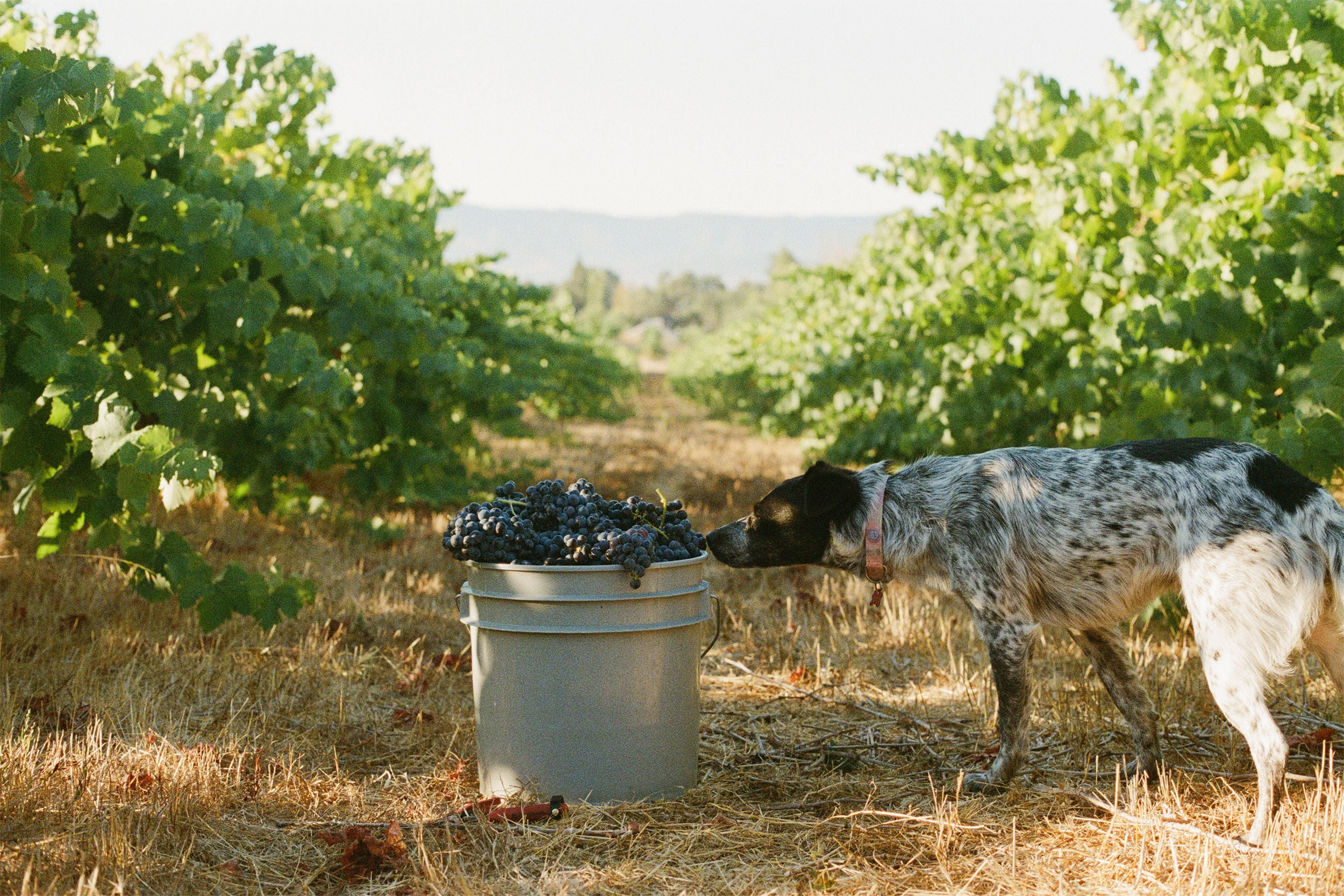
Cornell University Experiment In a study conducted by scientists from Cornell University, dogs helped their handlers locate eggs of an invasive insect – the spotted lanternfly. The four-legged helpers proved to be fantastic trackers, helping to detect three or even four times more egg masses in forests neighboring vineyards in Pennsylvania and New Jersey (USA) than when using standard methods. Interestingly, in the vineyards themselves, humans proved to be more effective. Scientists suggested this was because humans are able to systematically search the crop row by row, whereas dogs' sense of smell worked decidedly better in more difficult, forested terrain. Detecting Fungal and Viral Diseases Results of other analyses, published in the latest issue of the "Journal of Veterinary Behavior," indicate that dogs can also recognize the scent emitted by powdery mildew – a fungus attacking grapevines worldwide. However, the authors noted that more trials are needed to definitively confirm this thesis. Meanwhile, as reported in the December publication of "Wine Business," a pilot project in California showed that dogs can also detect leafroll virus and powdery mildew with high accuracy.
By clicking "Accept", you agree to the storage of cookies on your device to enhance site navigation, analyze site usage, and assist in our marketing efforts. Learn more