Products (0)
Nie znaleziono produktów dla ""

Browse our events and add tickets to your cart.
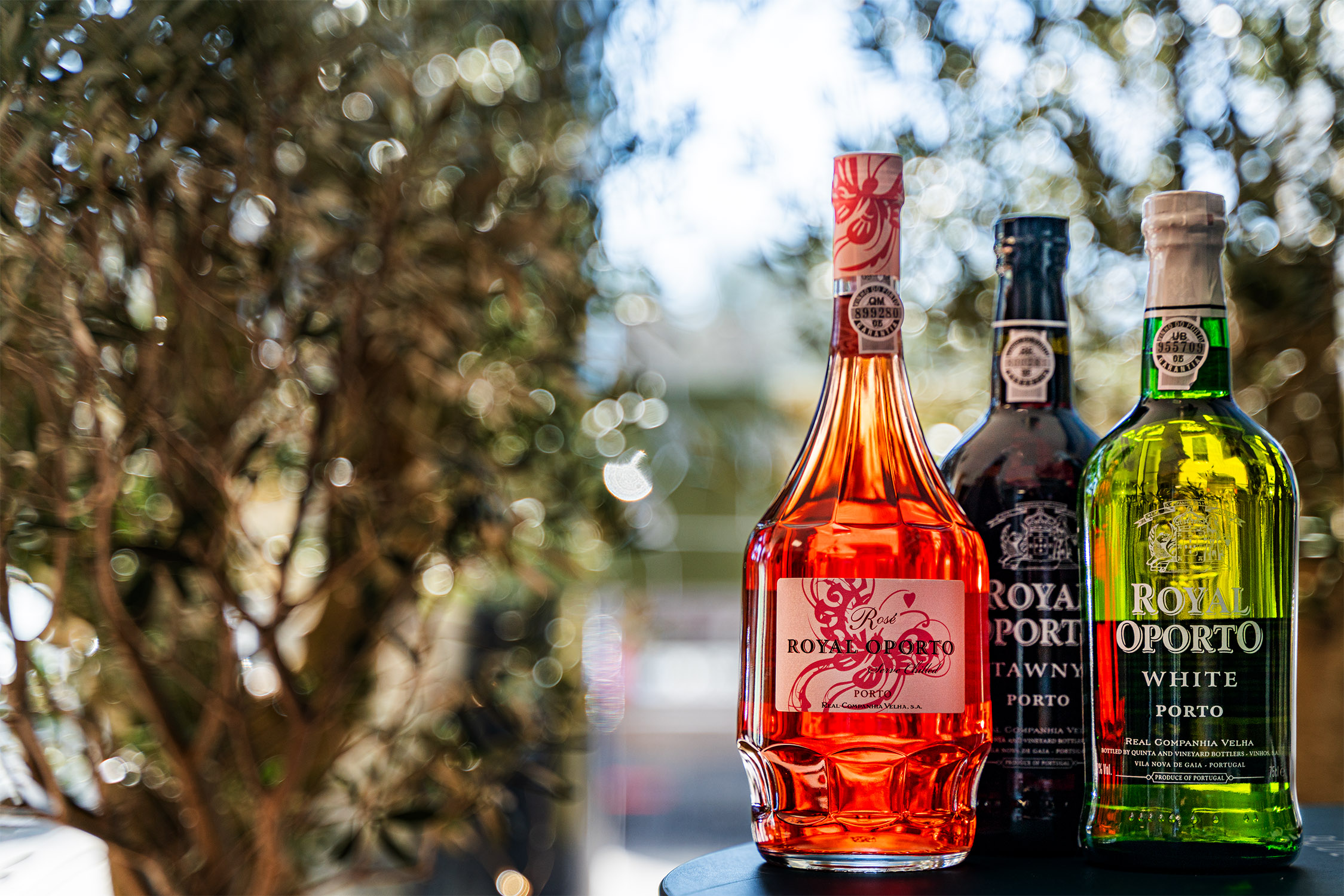
Sweet wine and fortified wine – they're not the same thing Many people assume that fortified wine is automatically sweet wine. That's a myth. While many fortified wines are indeed sweet – there are also completely dry ones, like fino sherry or sercial madeira. The difference is simple: natural sweet wines (like Sauternes or Tokaji) owe all their sweetness exclusively to the grapes. Fortified wines, on the other hand, are those to which distillate has been added – and they can be either sweet or dry. Sometimes you'll find fortified wines under the name "liqueur wine". And although "liqueur" is associated with something sweet, in practice this category encompasses a huge spectrum – from thick, velvety port to completely dry, mineral sherry. Formally, a fortified wine is one to which grape distillate has been added and which contains 15 to 22% alcohol – significantly more than regular wine. How are fortified wines made? Where did the idea of fortifying wine come from? The custom of fortifying wine with distillate became widespread in the 17th century – out of pure necessity. The Dutch and English traveled to southern Europe in search of inexpensive wines. The problem? These wines spoiled en route. The solution was simple – adding spirits. The wine became more stable and could easily withstand long sea voyages. The fortified wine production process in a nutshell Everything starts like with regular wine, but at an early stage fermentation is interrupted by adding grape distillate to the vat (in the European Union this is a formal requirement). At 18% alcohol, the yeasts simply die, fermentation stops, and a considerable amount of unprocessed sugar remains in the wine. Hence that characteristic sweetness. The moment you add the distillate determines how much sugar remains in the wine – and thus whether it will be sweet, semi-sweet, semi-dry or dry. 💡 In the production of port and madeira, grapes are still – though increasingly rarely – pressed with bare feet in stone vats (lagares). This isn't a folkloristic relic, but a method that enriches the wine with compounds extracted from grape skins. How are fortified wines "sweetened"? Fortified wines are often "sweetened" during production – which in the case of regular quality wines is prohibited. Each region has its own method: Marsala (Sicily) – with thick syrup from cooked must, called mosto cotto. Mistella is also commonly used – unfermented grape must with added spirits. Aging – barrel, time, temperature Traditional fortified wines almost always age in wooden barrels – usually old ones – and quite often in warm places. An exception is, for example, French fortified banyuls wine, which is exposed to the sun in glass demijohns. Types of fortified wines – overview The four most important fortified wines in the world are port, madeira, marsala and sherry. Each has its own character, region and tradition. | | Port | Madeira | Marsala | |---|---|---|---| | Country | Portugal | Portugal (Madeira island) | Italy (Sicily) | | Main styles | ruby, tawny, white, rosé | dry – sweet (four levels) | dry – sweet; golden, amber, ruby | | Character | from fruity (ruby) to dried fruit-caramel (tawny) | dried fruits, raisins, nuts, caramel | from delicate to intense, depending on style | | Sweetness range | usually sweet, but can be dry | from dry to sweet | dry, semi-dry, sweet | | Alcohol | 19–22% | 18–22% | 15–20% | What is port? Port is produced exclusively in the region along the Douro River in northern Portugal. The basic division is ruby (aged in bottles – fruity, tannic) and tawny (aged in 500-liter barrels – amber, with aromas of candied fruits, figs and caramel). There's also white port – lighter when young, but surprisingly refined in older vintages. Check out our port selection. What is madeira? Madeira has been produced for over 300 years on the island of Madeira. This wine is unique in one respect – it's practically indestructible. An open bottle? It will easily last several months. Closed? Several decades. Madeira can be sweet, semi-sweet, semi-dry and dry – depending on when distillate is added to the grape juice. Discover all the madeiras in our offer. What is marsala? Marsala is made from DOC quality white base wine, from grillo, catarratto and inzolia varieties. After adding grape spirit and – depending on style – mosto cotto or mistella, it ages in large Slovenian oak barrels. It's classified in three ways: by sweetness (dry/semi-dry/sweet), color (golden/amber/ruby) and aging time (fine/superiore/superiore riserva). Discover different types of marsala. What to serve fortified wines with? Fortified wines are among the most "gastronomic" beverages – they pair excellently with food, as long as you match them well. Our advisors most often recommend the following combinations: Ruby port is a classic with chocolate – the darker, the better. It also works well with blue cheeses like stilton or roquefort. Serve at 14–16°C. Tawny port has nuts, caramel and dried fruits, so it pairs best with desserts of similar character – cheesecake, nut tart, dried fruits. It also goes great with mature hard cheeses. Temperature: 10–14°C, older vintages taste better slightly cooler. White port is a completely different story. Our advisors recommend it as an aperitif – with tonic, ice cube and lemon slice (so-called port tonic). Great for a warm evening, with olives and light snacks. Serve chilled to 6–10°C. Dry madeira surprises when paired with soups – especially mushroom cream or broth. It also pairs with pâtés and mature cheeses. Temperature: 12–14°C. Sweet madeira is a choice for nut desserts, caramel cakes and – for the bold – foie gras. Serve at 14–16°C. Dry marsala is underappreciated, but works great with main courses – risotto, classic veal piccata, mature pecorino. Temperature: 10–12°C. Sweet marsala is a must-have for Italian desserts: tiramisu, zabaglione, panna cotta, cannoli. Serve well chilled, 6–8°C. One practical note: fortified wines aren't drunk by the bottle like regular wine. These are beverages to savor – one, at most two glasses are quite enough. Smaller portion, greater pleasure. How to choose a fortified wine? Tips from an advisor at one of our shops Fortified wines are one of those categories where customers in the shop most often ask for help. No wonder – the selection is large, and names like "colheita" or "sercial" don't mean much to beginners. Here are the situations we encounter most often. Fortified wine as a gift 10- or 20-year-old tawny port is the safest choice. Elegant bottle, universal taste (nuts, caramel, dried fruits), and importantly – the recipient doesn't have to rush to drink it, as tawny will last for weeks after opening. For someone who likes experiments, an older madeira is also a great gift – it's a wine that can wait for its occasion for years. Fortified wine for beginners If you've never drunk fortified wine, start with ruby reserve port. It's the most approachable – fruity, velvety, without overwhelming sweetness. The second good entry point is white port with tonic, ice cube and lemon slice – the perfect drink for a warm evening that isn't associated with "grandma's" wine. Fortified wine for dessert Here the rule is simple: match the wine to what you're serving. Chocolate dessert? Ruby port. Cheesecake, nut tart, caramel cake? Tawny port. Tiramisu or panna cotta? Sweet marsala – it's a classic Italian pairing that works every time. And if you're planning something with fruit? Madeira will work wonderfully. Dry fortified wines – for those who don't like sweet Many people don't know that fortified wines can be completely dry. Sercial madeira is mineral, dry and surprisingly refreshing – great with soups and mature cheeses. Dry marsala (secco) pairs with risotto and white meat dishes. And dry white port? Ideal as an aperitif instead of classic white wine. For someone who associates fortified wines exclusively with sweetness, this is a real discovery. FAQ – most common questions about fortified wines Is fortified wine the same as dessert wine? Not exactly. Many fortified wines are sweet and are indeed served with dessert, but – as we wrote above – there are also completely dry fortified wines. On the other hand, dessert wines can be naturally sweet, without fortification – like Sauternes or Tokaji. How long can you store opened fortified wine? Much longer than regular wine. Madeira is the record holder here – an open bottle will easily last several weeks. Ruby port and white port are better consumed within 2–3 weeks. Marsala lasts similarly to port – several weeks without problem. At what temperature should fortified wines be served? It depends on the style. Ruby port and sweet madeira – at 14–16°C. Tawny port – slightly cooler, 10–14°C. White port and sweet marsala taste best well chilled to 6–10°C. Dry madeira and marsala – 10–14°C. General rule: the sweeter the wine, the warmer it can be; the drier and lighter, the cooler. How many calories does fortified wine have? More than regular wine – due to higher alcohol content and often sugar. A glass (about 75 ml) of port is about 120–160 calories, while a glass of regular wine (150 ml) is 100–130 calories. But you drink less fortified wine – the standard serving is precisely those 60–75 ml, not a full glass like with regular wine.
By clicking "Accept", you agree to the storage of cookies on your device to enhance site navigation, analyze site usage, and assist in our marketing efforts. Learn more