Products (0)
Nie znaleziono produktów dla ""

Browse our events and add tickets to your cart.
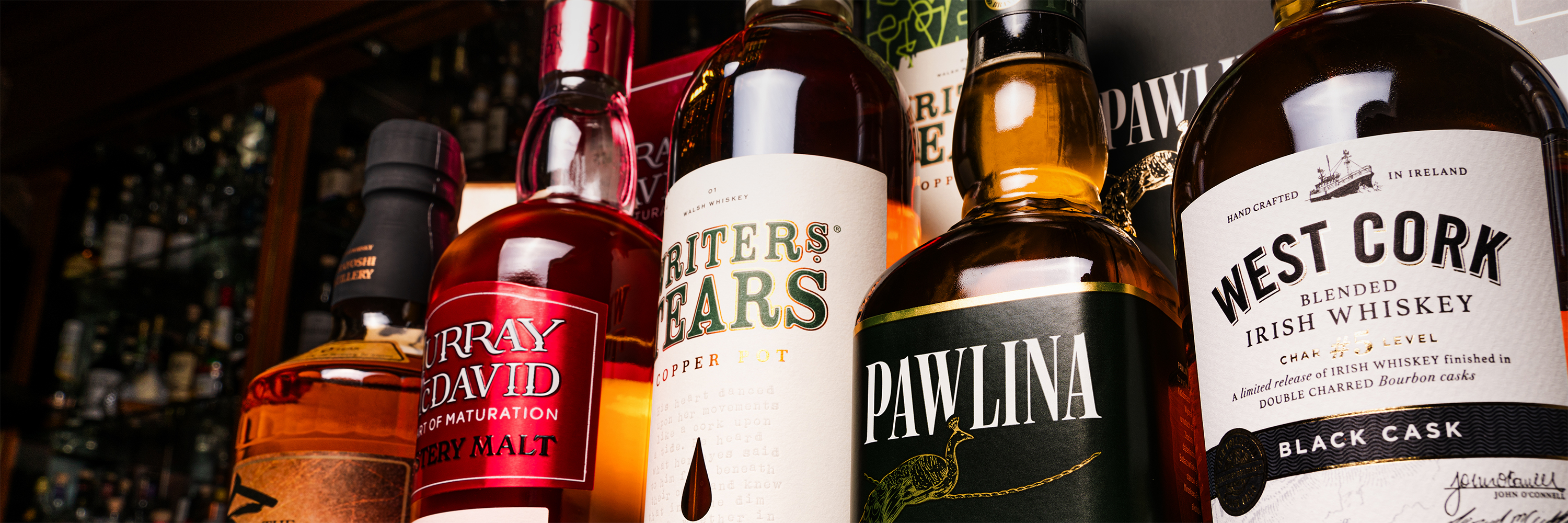
You open a bottle that has stood untouched for years. You pour, raise the glass to your nose and… feel disappointment. Where has that powerful, smoky punch gone? Where has that oily texture disappeared? Whisky is a living spirit – even after leaving the cask, subtle chemical processes continue within it. Here is a compendium of knowledge on how to protect your liquid gold from degradation. The Aroma Thief The greatest threat to whisky is not time itself, but contact with air. The moment you break the seal and pour the first glass, you let oxygen inside the bottle. The process of slow oxidation begins. While wine spoils in contact with air within a few days, whisky is a much more resistant spirit. However, the less liquid remains in the bottle, the more space air occupies, accelerating unwanted changes. This phenomenon is particularly acute with peated whiskies, such as outstanding editions from the Kilchoman distillery on the island of Islay. Phenolic compounds, responsible for notes of smoke, bonfire and iodine, are naturally volatile and unstable. After a year of standing in an opened bottle, a once powerfully smoky product can become flat, lifeless and lacking expression. Golden rule: If less than one-third of the contents remains in the bottle, don't save it for "better times." The best time is right now. We recommend consuming such remnants within 3–6 months. The Silent Killer of Color and Taste We often see elegant decanters with amber liquid displayed on sunny windowsills. From a chemistry standpoint, this is a death sentence for the spirit. UV radiation affects whisky destructively – it not only bleaches its natural color, but above all breaks down ester bonds, degrading the flavor profile. Temperature stability is equally important. Whisky doesn't like extremes. This applies both to classics from Scottish Speyside, like GlenAllachie, and to exotic newcomers, such as Indian whisky Paul John. Although the latter matured in the tropical climate of Goa, where the "Angel's Share" (alcohol loss) is enormous, in your home it requires coolness and shade. Excessively high temperature causes alcohol to evaporate even through a closed cork, leading to an imbalance in the spirit. This is worth remembering when reaching for intriguing Asian novelties, like Chinese Single Malt Goalong. These are spirits with unique character that require "darkness" to preserve their nuances for the palate, rather than surrendering them to the sun. The Weakest Link We store wine in a horizontal position so the cork remains moist and tight. With whisky, we do EXACTLY the opposite. High alcohol content (often above 46%, and in Cask Strength versions even 60%) has a corrosive effect on natural cork. Prolonged contact of the liquid with the stopper will cause the alcohol to "burn through" the cork, giving the spirit an unpleasant taste of mustiness and glue, and the cork itself will disintegrate when you try to open it. Particular caution should be exercised with bottles from Independent Bottlers, such as Cadenhead, Douglas Laing or Murray McDavid. These companies often bottle old, rare and very strong distillates in limited series. In such unique pieces, the cork is the guardian of essence – protect it by keeping the bottle upright. Tip: Once every few months, it's worth gently tilting the bottle for a fraction of a second, just to moisten the cork with alcohol vapors. This will prevent it from drying out completely and crumbling. Cloudiness - Defect or Feature? Sometimes at the bottom of the bottle or after adding an ice cube, you'll notice a strange "haze" or sediment in the whisky. Don't worry, your spirit hasn't spoiled. Many renowned producers (including the aforementioned Kilchoman and editions from Murray McDavid) deliberately forgo the cold filtration process (non-chill filtered). This means that natural oils, fats and esters have been left in the bottle, which are carriers of flavor and thick texture. At lower temperatures, these compounds may precipitate as haze (so-called flocculation). This is not a defect – it's proof of the product's authenticity and a guarantee of fuller sensory experiences. Conclusion? Respect for the Craft Whisky doesn't spoil in a way that threatens health – high alcohol content is an excellent preservative. However, it can become a shadow of itself: stale, bitter or flat. Remember the three pillars of proper storage that we promote at M&P: Vertical: The bottle always stands, never lies. Shadow: Away from direct sunlight. Time: An open bottle is an invitation to tasting, not a museum exhibit. Do you have doubts about how to care for your collection? Or perhaps you're looking for an edition from Douglas Laing or Cadenhead that will be an ornament to your collection for years? We invite you to M&P Spirits Wines Cigars salons. Our advisors will passionately tell you which spirits best withstand the passage of time, and which are worth opening this very evening.
By clicking "Accept", you agree to the storage of cookies on your device to enhance site navigation, analyze site usage, and assist in our marketing efforts. Learn more