Ulubione

Products (0)

Nie znaleziono produktów dla ""

Cart (0)

Your cart is empty

Use the search or browse promotional products.

Empty Cart
Discover our products

Tickets (0)

Your tickets cart is empty

Browse our events and add tickets to your cart.

Empty Ticket Cart
Discover events
Home / Articles / Wino / Eight vineyards and one great Brunello di Montalcino

Eight vineyards and one great Brunello di Montalcino

Author:Weronika Miechowicz
Published:18.06.2026
Read time:3 Minutes
Eight vineyards and one great Brunello di Montalcino
What makes brunello di montalcino regarded as one of Italy's most magnificent wines? The easiest way to understand it is on location – in the cellars and in conversation with the people who have been making it for generations. I spent three intense days in Montalcino and I'm returning with a head full of impressions.

Tuscany has many great wines, but brunello di montalcino is one of its most iconic ambassadors. Behind me are three exceptionally intense days, in which each day revolved around passion, the land, and the brilliant sangiovese grape. Thanks to an invitation from the Consorzio del Vino Brunello di Montalcino, I experienced a wine adventure full of encounters with people who can talk about wine for hours.

Day one: masterclass at the Consorzio and dinner

We began our journey with a masterclass at the headquarters of the Consorzio del Vino Brunello di Montalcino. We learned about the nuances of the local terroir, the rigorous production rules, and the success story of brunello, and we tasted several remarkable wines created by local producers. After the meeting, we headed off for a shared dinner, during which we got acquainted with Tuscan cuisine accompanied by wines from local producers associated with the consortium. Alongside brunello, its so-called "younger brother" rosso di montalcino also appeared on the tables, delighting with its freshness and fruity character.

Day two: four wineries, their history and passion for making wine

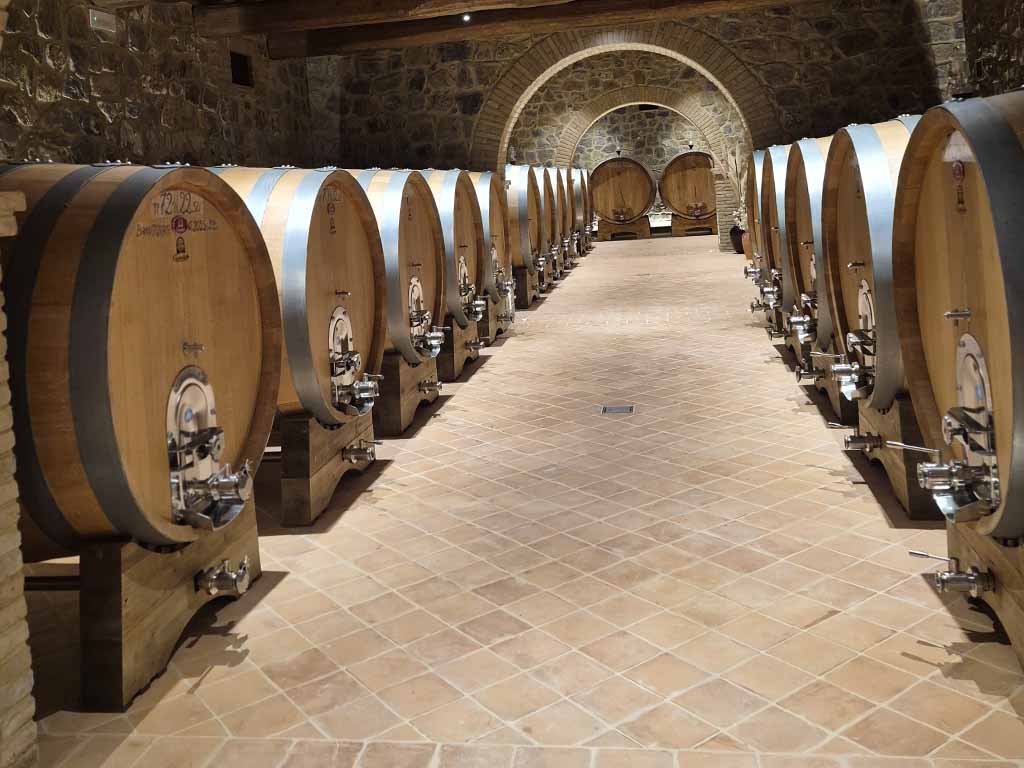
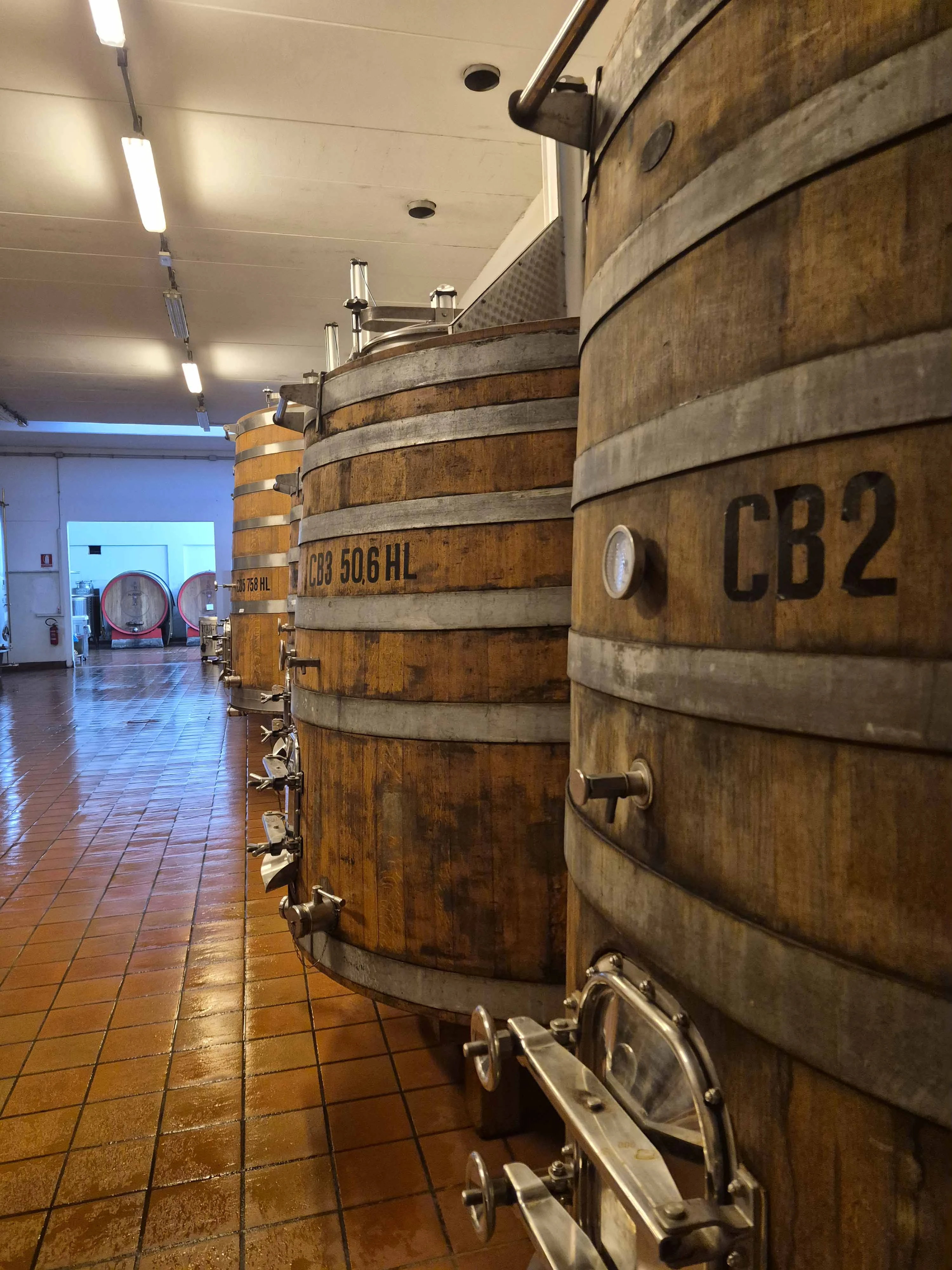
The second day was a true wine feast. We visited four different wineries, learned their history, observed the production processes, and tasted the wines made there. On our route were remarkable wineries. The first stop was the Tenute Silvio Nardi winery, where we had the great pleasure of tasting an extraordinary 38-year-old brunello. The next winery we visited was Capanna, located north of the town of Montalcino. It is a place with a remarkable history dating back to 1957. After touring the cellars and tasting, we were invited to a shared lunch. The third place that day was the La Magia winery, located in the south-eastern part of the Brunello di Montalcino appellation, known for its organic cultivation and elegant, somewhat fresher style of Brunello. The last place that day was the Corte Pavone winery, located south-west of Montalcino, on a hill with a beautiful view of the Val d'Orcia valley. Here the tasting was remarkable, as we had the chance to taste wines straight from the barrels and concrete amphorae. The day concluded with a dinner where we met many wine creators. We had the opportunity for direct conversation, to ask questions that had arisen after the visits, and to exchange contacts.

Day three: another four wineries and a farewell dinner

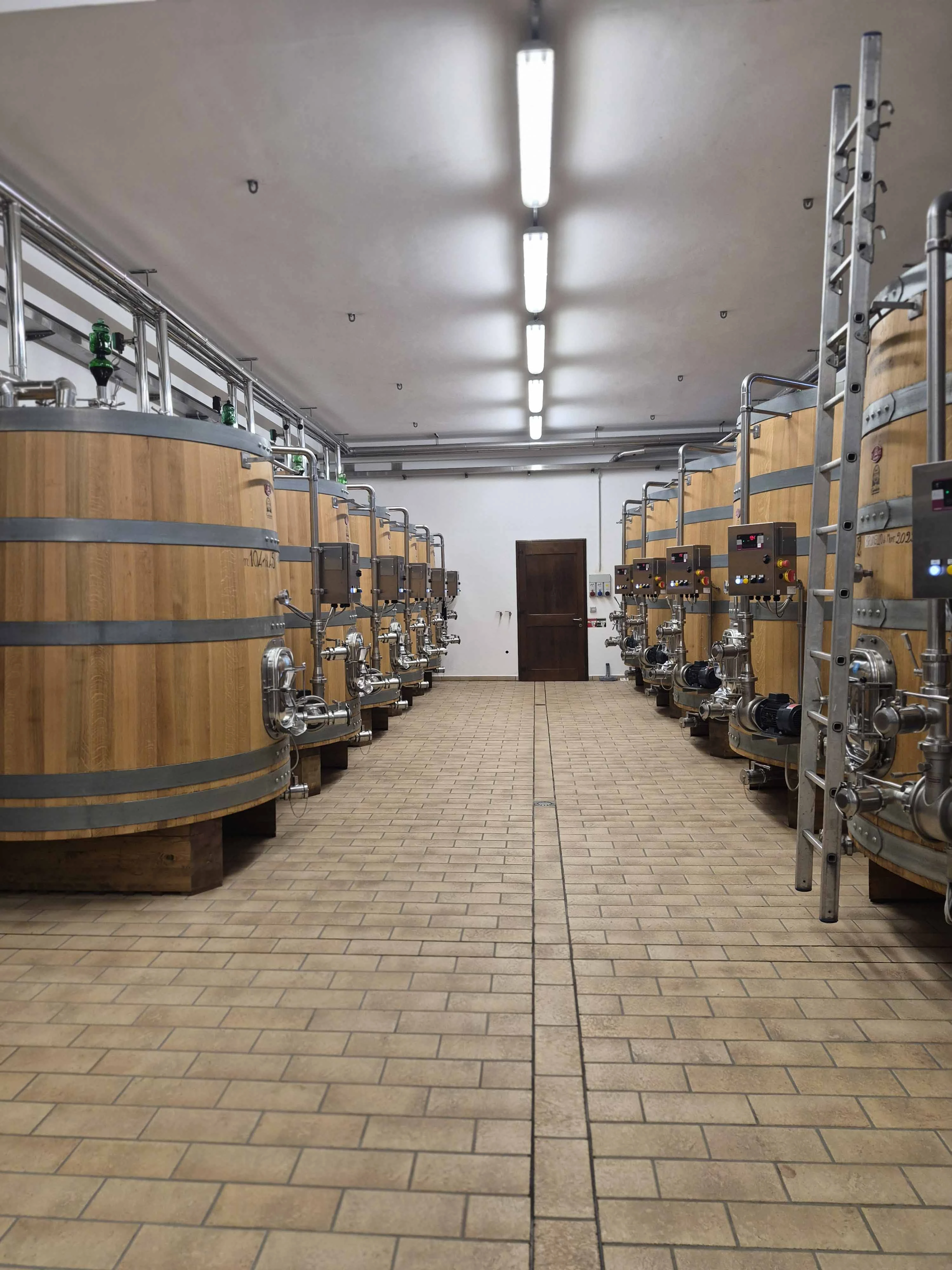
On the third day, another four wineries appeared on our map. The first that day was the Sesti winery, whose cellars are located in Castello di Argiano – a 12th-century fortified estate situated on picturesque hills south of Montalcino. The next stop was the Molino di Sant'Antimo winery, where the tasting took place during an almost family-style lunch prepared for us by Susanna Vittori herself, the mother of the sisters Valeria and Giulia, who currently run the winery founded by their father Carlo Vittori. The next winery was Le Macioche, located south-east of the historic centre of Montalcino, at a fairly high altitude – about 450 m above sea level. A wonderful tasting took place on a terrace with a beautiful panorama. The last winery was the modern wine estate La Casaccia di Franceschi, founded in 2015. The cellar uses state-of-the-art technology. The fermentation and maceration of the wines take place using stainless steel tanks. In the evening, we sat down to a shared dinner with the entire group, where we exchanged impressions of the last few days.

Three days passed in a flash, but they left behind plenty of memories, inspiring conversations, and of course exceptional wines. Each of the eight wineries we visited showed a different face of brunello di montalcino, proving that behind every bottle there are people, history, and tremendous passion.

Members of our team took part in the trip, and it was an exceptionally enriching time. Conversations with producers and tastings straight from the barrels gave us knowledge that cannot be read from a label. This experience returns with us to our daily work — because it is easier to talk about a wine that you know not only from the bottle, but also from the place where it is made.

By clicking "Accept", you agree to the storage of cookies on your device to enhance site navigation, analyze site usage, and assist in our marketing efforts. Learn more